How a Supreme Court Ruling Could Redefine Campaign Finance
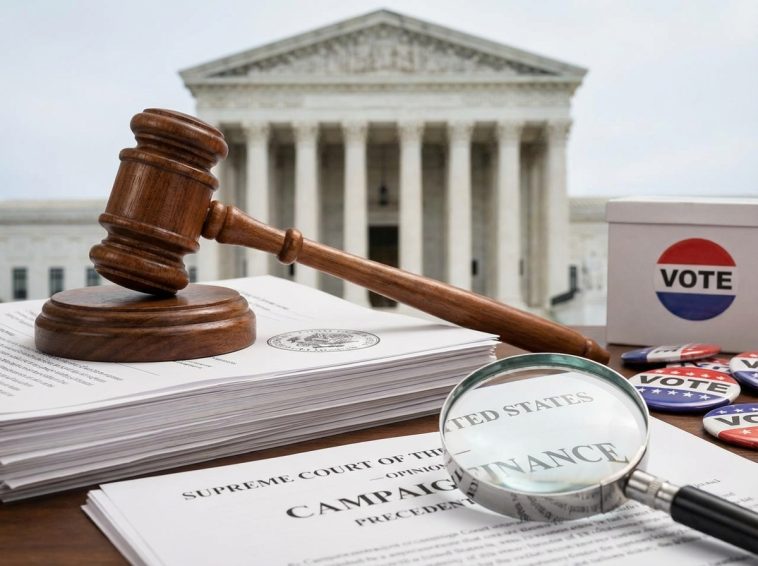
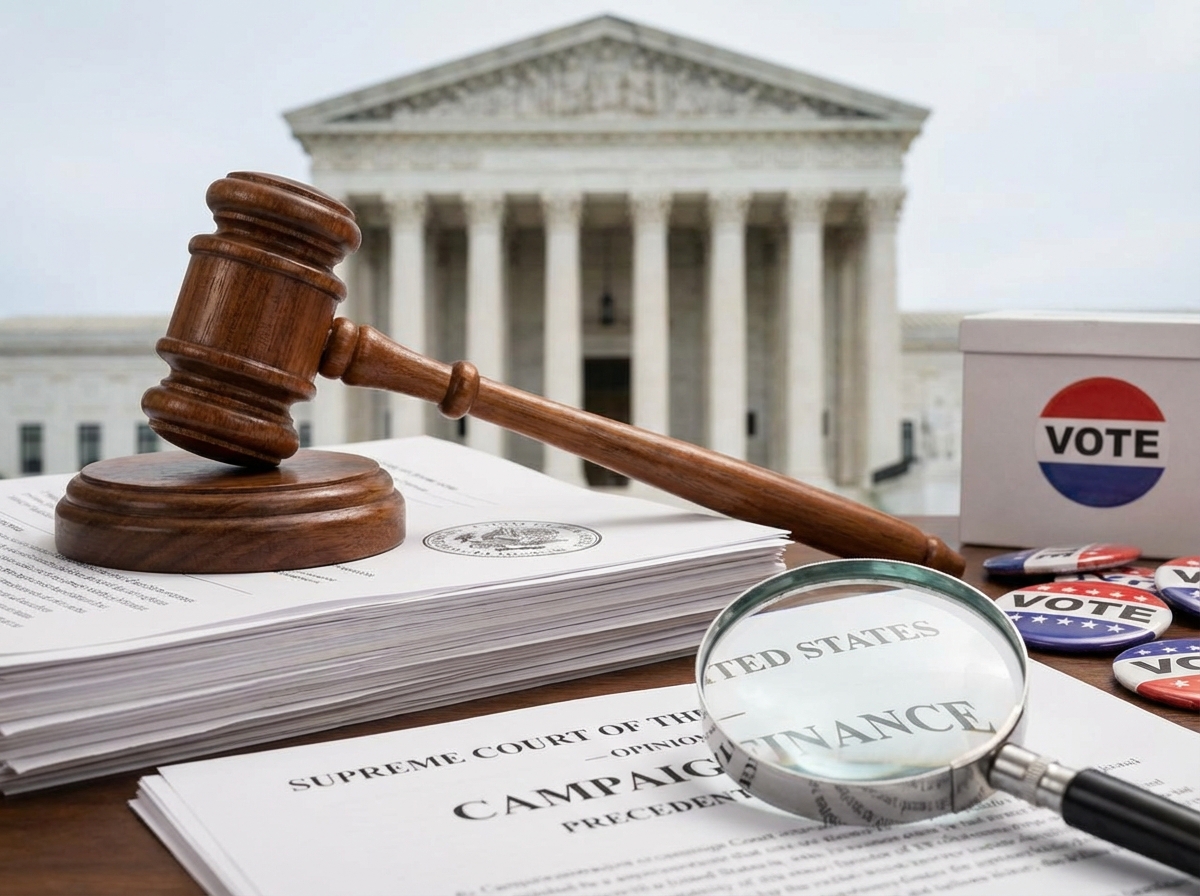
The upcoming Supreme Court decision on a campaign finance case may alter the face of federal campaigns for years to come. This opinion piece examines how potential changes—ranging from new rules on unlimited coordination between party committees and individual campaigns to shifts in donor influence—could reshape the electoral landscape. We will get into the matter by exploring how campaign operatives, lawmakers, and political strategists are already rethinking their approaches in anticipation of these changes.
By reviewing the finer points of the case, which challenges the limits on coordinated spending between federal campaigns and their party organizations, we can begin to understand the possible twists and turns that the ruling might bring. Both Democrats and Republicans are actively considering how these new rules will affect on-the-ground strategies, staffing decisions, and the funding of TV and digital advertisements. What follows is an exploration of these issues, aiming to provide a balanced perspective on a subject that is both full of problems and rich in opportunity.
Unpacking the Supreme Court Case
The case before the Supreme Court essentially questions long-standing restrictions on coordinated spending between party committees and individual campaigns. If the justices decide to remove these limits, then party committees may eventually have nearly unlimited latitude to work directly with candidates. In plain terms, this means that the role of party committees in campaign financing could be entirely revamped, allowing them to directly support candidates and potentially bypass limits that have otherwise promoted a more level playing field for small-dollar donors.
Political strategists from both sides of the aisle agree that this ruling could change everything. Many are already discussing how to figure a path through the confusing bits of campaign finance law that might emerge after the decision. With issues like these, the details are not only tricky but also loaded with tension as each side anticipates how the ruling could shift the balance of influence between small contributors and big-money donors.
New Rules and the Power of Unlimited Coordination
One of the most significant potential outcomes of the ruling is the possibility of nearly unlimited coordination between party committees and individual campaigns. Here is a breakdown of the key points:
- Direct Funding Flow: Party committees could directly finance every facet of a political campaign, from senior staff salaries to ground operations.
- Cost Benefits: Candidates might benefit from lower advertising rates by bypassing independent expenditure committees, which until now have had to pay a premium for airtime.
- Donor Influence Shift: Wealthier donors would be better equipped to donate larger sums, potentially diminishing the influence of small-dollar contributors.
Political pundits warn that such changes could lead to an election environment where the influence of individual citizens is significantly curtailed, while big-money interests gain unprecedented sway. On the other hand, advocates of the change argue that it would restore power to party committees, which have experienced a gradual decline since the Citizens United decision. Regardless of which perspective holds sway, the possibility of unlimited coordination introduces a whole range of new, tangled issues into the political mix.
Rethinking Donor Influence and Equity in Campaign Financing
For decades, campaign finance regulations have sought to balance the landscape by setting contribution limits aimed at curbing the power of wealthy donors. However, the potential Supreme Court ruling is poised to alter this balance dramatically. Here are some of the key consequences:
- Diminished Small-Dollar Impact: With party committees able to pool resources and make large, coordinated expenditures, the relative influence of modest contributions becomes less significant.
- Empowerment of Big Donors: Candidates could increasingly be at the mercy of individuals who have substantial financial clout, leading to campaigns that are more susceptible to the priorities of the wealthiest segment of the population.
- Strategic Shifts: Both political parties may need to re-engineer how they use grassroots donations versus corporate or high-net-worth contributions.
Policy experts argue that these shifts are not simply a matter of economics—they touch upon key questions of democratic fairness. If coordinated expenditures become the norm, activists worry that communities of everyday voters could find themselves on the losing side of an electoral process that is increasingly driven by large-scale financial support rather than the collective voice of the electorate.
Economic Implications for TV and Digital Ad Spending
Aside from the broad rebalancing of donor influence, the ruling is likely to have direct economic impacts on how campaigns budget for advertising. Recent discussions among campaign finance strategists have pointed out that one of the most appealing aspects of potential changes is the significant cost differential between advertising purchased through independent expenditure committees and that bought directly by campaigns.
The key points in this discussion include:
| Funding Method | Cost Impact | Operational Flexibility |
|---|---|---|
| Independent Expenditure Committees | Higher airtime rates due to regulatory restrictions | Must operate independently from the candidate |
| Party Committee Coordinated Spending | Lower rates thanks to direct campaign funding | Provides a more integrated, flexible approach |
For campaigns, these differences can be both intimidating and advantageous. On one hand, lower advertising costs might mean that campaigns can release a torrent of TV and digital ads without breaking their budgets. On the other hand, the new operating model might put the pressure on political candidates to align more closely with party agendas and the wishes of their largest donors, potentially making the process of managing a campaign more nerve-racking than ever before.
Impact on Day-to-Day Campaign Strategies
The potential ruling has already sent ripples through the strategic planning sessions of both political parties. Numerous campaign managers have reported that they are actively rethinking how they approach everything from staffing decisions to on-the-ground campaign operations. This shift in operational strategy can be summarized through the following points:
- Operational Restructuring: Campaigns might shift to a model where party committees essentially become the “cash machines” behind the candidate, which could centralize decision-making in Washington or party headquarters.
- Resource Allocation: With potentially larger expenditures on coordinated advertising, campaigns will have to reassign resources that were previously earmarked for grassroots organizing and small-donor outreach.
- Staffing Adjustments: New roles designed to manage large-scale coordinated expenditures may become necessary, which could alter the skill sets valued on the campaign trail.
In many ways, this represents a significant departure from the traditional approach that has defined campaign operations since Citizens United. Both campaign veterans and political outsiders agree that the current changes are like navigating a labyrinth of twisted, confusing bits that require careful planning and foresight. For those involved in the day-to-day management of political campaigns, these are not just abstract rules—they are the very rules that will determine how campaigns are fought and won in the coming years.
Shifts in Advertising Budget and Media Strategy
As campaigns begin to re-assess their approaches, the changes in media buying strategies are becoming particularly noteworthy. Traditional models of purchasing ad time through independent expenditure committees could soon give way to scenarios where party committees directly underwrite advertising efforts. This new strategy may lead to:
- Massive Increases in TV Ads: With lower costs, there is the potential for campaigns to flood television screens with advertisements—a shift that could reshape the way political messaging is delivered.
- An Explosion of Digital Ads: The digital advertising arena often offers competitive rates, and if campaigns can coordinate expenditures more efficiently, they may intensify their online presence radically.
- A Need for Real-Time Adjustments: The faster pace of digital campaigns, combined with the centralized funding approach, may require campaign teams to monitor and adjust strategies on a continual basis.
These changes could be seen as either a boon or a burden, depending on one’s perspective. On the one hand, lower costs and more focused funding might produce sharper and more targeted political messaging. On the other, the reduction in regulatory oversight could lead to a flood of politically charged messages that might overwhelm voters.
Evolving Role of Party Committees in Federal Elections
For many observers, the transformation of party committees is one of the most significant potential outcomes of the Supreme Court’s ruling. Once considered second fiddle to super PACs and other independent entities, party committees might regain a central role in the functioning of political campaigns. Here are some reasons why this evolution is both exciting and worrying:
- Return to Centralized Control: With the ability to fund virtually all elements of a campaign, party committees could regain a commanding role over the strategic direction of elections.
- Simplified Decision-Making: Direct expenditure by party committees might streamline decision-making processes, reducing the delays often encountered when multiple independent operators are involved.
- Consolidation of Power: There is a risk, however, that the re-centralization of power in Washington or party headquarters could marginalize local campaign voices, making the entire process more top-down and less responsive to regional issues.
This potential consolidation of power raises several questions: Would concentrating financial control in the hands of a few party leaders allow for a more coherent electoral message? Or would it undermine the diversity of voices by sidelining local concerns? The answer is not clear cut, and much depends on how emerging practices balance the interests of big donors against the ever-important influence of grassroots movements.
Digital Outreach and the Changing Landscape of Political Campaigns
One of the most undeniable trends in recent elections has been the rise of digital outreach as a cornerstone of campaign strategy. With integrated party funding potentially lowering the cost of digital ad buys, campaigns could see a fundamental shift in their digital strategies. Consider the following points:
- Enhanced Targeting Capabilities: By pooling resources, campaigns might invest more heavily in sophisticated digital targeting solutions, ensuring that messaging reaches intended audiences with greater precision.
- Improved Data Analytics: With the potential for centralized funding and decision-making, campaigns may allocate more funds towards advanced analytics, digging into data trends and adjusting tactics in real time.
- Increased Competition: If the cost gap between independent and party-coordinated advertising widens, candidates may find themselves in a race to utilize these cheaper media buys to gain an edge over their competitors.
However, the shift to an even more data-driven approach also comes with its own set of challenges. Data privacy concerns, the risk of algorithmic bias, and the potential for digital echo chambers are just a few of the tricky parts that campaigns will have to manage as they develop these new strategies. In short, while digital outreach remains super important, the landscape is evolving rapidly, and campaigns must figure a path through these fine shades of modern political advertising.
Comparing This Ruling with the Legacy of Citizens United
The upcoming decision has been compared by many to the Citizens United ruling of 2010, which reshaped the campaign finance landscape by allowing virtually unlimited corporate spending in elections. There are several fine distinctions between these two decisions:
- Scope of Influence: Citizens United primarily affected independent groups and super PACs, whereas the potential new ruling would directly impact party committees and their relationship with candidates.
- Regulatory Oversight: Whereas Citizens United was seen as a deregulatory shift, the new changes could either further deregulate or, in some cases, recalibrate the existing limits on coordinated spending.
- Electoral Strategy: With Citizens United, access to large sums of money became the new standard for winning elections. Under a new regime that favors party committees, the strategies might shift yet again, putting a renewed emphasis on strategic spending and centralized campaign management.
While both decisions are undoubtedly transformative, the current debate revolves around how this latest ruling could either restore a sense of order to party committee operations or further empower entrenched interests. For those on the campaign trail, these are more than just legal minutiae—they represent the very essence of how future elections will be conducted. The parallels between these decisions invite a closer look at the hidden complexities that underlie American democracy, forcing all stakeholders to re-examine the relationship between money, power, and the voice of the people.
The Future of Political Campaign Operations
The practical implications of these potential legal changes are extensive. Party committees could become central hubs for financing numerous aspects of campaigns, from office operations to digital outreach strategies. The day-to-day operations of political campaigns are likely to experience several key shifts:
- Centralized Funding Structures: Rather than relying on multiple independent entities, candidates could see a smoother flow of finances channeled directly through party committees.
- Operational Overhauls: Campaigns may need to rework their operational manuals to adjust for new spending rules, necessitating training sessions and strategy meetings focused on the updated regulatory landscape.
- Increased Emphasis on Data and Analytics: With potential savings on advertising budgets, more resources could be diverted to real-time data and feedback systems that keep campaigns on the ball.
These operational shifts will require candidates and their staff to not only adapt to new funding mechanisms but also to recalibrate their entire strategic framework. In a rapidly changing political environment, the ability to manage your way through unexpected twists and turns is more than just beneficial—it is absolutely key to electoral success.
Managing the Path Ahead Amid Uncertainty
While the legal community and political strategists are busy sorting out the likely outcomes of the Supreme Court’s decision, one thing is clear: the path ahead promises to be both exciting and challenging. For those involved in campaign finance, careful preparation and flexibility will be crucial. Here are some suggestions for managing your way through this potentially nerve-racking period:
- Stay Informed: Continuous monitoring of court opinions, legal analyses, and expert commentary is super important to stay ahead of changes in the regulatory environment.
- Adjust Operational Strategies: Campaign managers should begin to evaluate which aspects of their current strategy might need overhauling to accommodate a system where party committees enjoy greater flexibility.
- Engage with Diverse Funding Sources: While large donors are likely to see their influence increase, maintaining relationships with grassroots supporters remains a must-have element of an effective political campaign.
- Plan for Rapid Shifts: In a scenario where rules change quickly, developing contingency plans and training staff for swift operational adjustments can make a significant difference on election day.
These practical steps are designed to help election teams figure a path through the confusing bits of a rapidly evolving campaign finance environment. It is essential for political actors to be nimble, ready to pivot strategies based on how the legal landscape unfolds once the decision is rendered.
Addressing Concerns about Democratic Fairness and Transparency
One of the central debates surrounding this potential ruling is its impact on democratic fairness. Critics argue that allowing unlimited coordination between party committees and candidates might lead to a scenario where the influence of small, local donors is increasingly drowned out by contributions from wealthier individuals or organizations. While proponents suggest that restoring power to party committees could lead to more consistent policy narratives and better campaign coherence, the key concern remains transparency and accountability.
Here are some of the fine shades of this debate:
- Transparency Challenges: With larger sums channeling through party committees, it could become more difficult for the public to trace the source of campaign funds. This lack of clear visibility could fuel distrust in the political process.
- Accountability Concerns: When power is consolidated, ensuring that candidate messaging reflects the will of the people—rather than the interests of a few big donors—could become a compromising, off-putting challenge.
- Impact on Voter Influence: If small-dollar contributions are sidelined, voters might feel less incentivized to participate in the political process, potentially dampening widespread civic engagement.
In this context, regulatory bodies and watchdog organizations will likely have to find new ways to monitor campaign spending. While the centralization of funding may streamline some aspects of the campaign process, it simultaneously demands a more stringent review of how money flows into the political system. As policymakers work through these tangled issues, efforts to secure a balance between operational efficiency and democratic inclusiveness will be more important than ever.
Reflections on the Changing Political Landscape
The potential ramifications of the Supreme Court ruling extend far beyond the legal texts and court opinions. They have the power to reshape how political campaigns are funded, managed, and executed, influencing both electoral outcomes and the overall health of our democracy. The possibility that party committees could transform into centralized cash powerhouses represents a dramatic shift—from a system designed to limit excessive influence to one that may enable it even further.
For those watching from the sidelines, this transformation can seem both promising and unnerving. On the upside, streamlined funding processes might lead to more effective campaigns that deliver coherent and powerful messages to voters. On the downside, there is a real risk that the influence of everyday voters will be diluted in favor of big-money interests.
Ultimately, the Supreme Court’s decision is likely to usher in an era that is as challenging as it is transformative. It is a moment where every stakeholder—from campaign strategists to the average voter—needs to closely monitor developments and prepare for unexpected shifts in the political playing field.
Preparing for a Future Defined by Rapid Change
As we take a closer look at the possible outcomes of this Supreme Court case, it becomes clear that the road ahead will require both patience and adaptability. For campaign teams, political analysts, and voters alike, the following points are critical:
- Keeping Communication Open: Stakeholders must maintain open channels of dialogue to ensure that any new system benefits from the insights of diverse communities.
- Investing in Training and Innovation: Campaign teams should invest in digital tools, data analysis, and training to manage and adjust strategies dynamically.
- Ensuring Regulatory Oversight: There must be a renewed emphasis on transparent reporting and accountability to safeguard against potential misuse of coordinated expenditures.
- Encouraging Grassroots Participation: Even as big donors gain more sway, efforts to mobilize small-dollar donors and local supporters must not be neglected.
For instance, consider a campaign team planning a comprehensive strategy meeting. The team might organize sessions that focus on:
| Focus Area | Key Discussion Points |
|---|---|
| Digital Outreach | Evaluating cost-benefit differences, real-time data analytics, and targeted messaging |
| Traditional Media | Assessing reduced advertising costs through party expenditure versus independent buying |
| Grassroots Funding | Exploring new engagement methods in a potentially big-money-dominated financing environment |
These strategies exemplify how a party might approach the challenge head on, preparing for a scenario where the campaign landscape is dramatically altered by legal shifts.
Balancing Tradition with Innovation in Election Strategies
Political campaigns have always been about balancing tradition with novelty. While the new ruling might encourage party committees to lean more heavily into centralized funding methods, it also prompts a return to essential campaign principles like clear communication, strategic messaging, and genuine voter engagement. In this balanced approach, the following points become super important:
- Historical Context: Understanding how past decisions, such as Citizens United, reshaped campaign finance helps contextualize the potential effects of the new ruling.
- Adapting to Change: Campaign teams will need to be agile and ready to alter their models as the legal environment shifts, ensuring that innovation does not come at the expense of fairness.
- Sustaining Voter Trust: Transparency and accountability should remain at the forefront, keeping voter trust intact even in the midst of massive financial and strategic changes.
Many believe that a winning campaign is one that manages to blend innovation with integrity. While the Supreme Court’s pending decision is set to inject a new dynamism into political operations, its ultimate success will depend on how well campaigns can maintain that balance and continue to earn the trust of the electorate.
Concluding Thoughts
The potential Supreme Court ruling on coordinated campaign spending is poised to be one of the most pivotal legal decisions in recent memory. With the power to dramatically reshape the way funds are raised and spent in federal elections, this ruling will not only affect election outcomes but also influence the very nature of political campaigning for years to come.
While much remains uncertain, one thing is clear: political operatives from both sides, legal experts, and voters all need to get into the discussion—and prepare for a season that promises to be as full of opportunities as it is loaded with challenges. Whether this change strengthens the democratic process or further centralizes power in the hands of a few will depend largely on how future campaigns, regulatory bodies, and the courts work together to address the tricky bits of campaign finance law.
In the end, as we watch this case unfold in the highest court, the debates around donor influence, operational restructuring, and media strategies serve as a reminder that the mechanics of democracy are always evolving. With thanks to a mixture of legal insights and practical strategizing, our political system must continue to adapt to both the benefits and the hidden complexities of a new era in campaign finance.
Ultimately, this transformation is a call for everyone involved—whether they are well-known strategists, grassroots activists, or ordinary voters—to engage, debate, and keep a close eye on how the political winds shift. Amid all the twists and turns of this evolving legal landscape, one central truth remains: the future of our democracy depends on finding the right balance between innovation and accountability. And in that pursuit, staying informed and continuously adapting will be our best guide as we figure our way into tomorrow’s elections.
Originally Post From https://www.notus.org/2026-election/supreme-court-case-campaign-finance-operations-change
Read more about this topic at
Supreme Court difficult to read in case on campaign …
Is the U.S. Supreme Court Preparing To Undermine …

