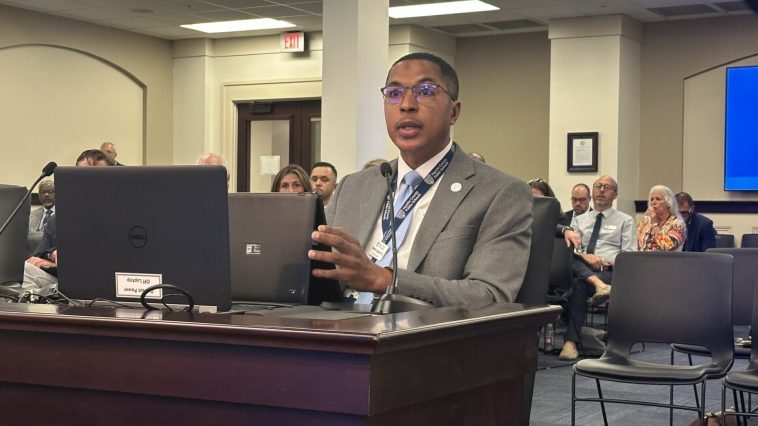

Scrutinizing Taxpayer Funds: A Closer Look at Fiscal Management in Fayette County Public Schools
The recent revelations concerning Fayette County Public Schools’ superintendent Dr. Demetrus Liggins’ expenditure charges have sparked a wave of questions regarding the way taxpayer dollars are being spent. In this opinion editorial, we take a closer look at the financial figures, explore the tangled issues behind the spending, and discuss what these numbers might mean for accountability in education management.
Breaking Down the Spending: Food, Hotels, and Transition Expenses
Between January 2023 and May 2025, an analysis shows that nearly $152,000 was charged to district funds under Dr. Liggins’ watch. The breakdown includes approximately $25,000 on food, over $44,000 on hotels, and an additional $30,000 tied to his transition when he assumed the role in July 2021. In essence, taxpayers were footing a bill that averaged out to more than $4,000 per week during the transition period. These numbers raise questions about the fine points of fiscal responsibility and the potential hidden complexities behind such hefty expenditures.
- Food Expenses: Spending related to meals can often be justified as necessary for meetings and travel; however, the total $25,000 allocation prompts a deeper look into how these funds were used.
- Hotel Costs: With more than $44,000 spent on lodging, it is essential to consider whether these expenses were tied directly to district business or if more economical options could have been considered.
- Transition Charges: The $30,000 transition expense suggests that the period when Dr. Liggins stepped into his new role may have been particularly nerve-racking in terms of budgeting. Taxpayers deserve a clear explanation of how these figures were reached.
Accountability and Financial Oversight: Understanding the Vetting Process
In response to the expenditure scrutiny, the district maintained that every expense was properly vetted and approved by finance personnel. The administration insists that the processes in place ensure that all spending is legitimate, even when it involves substantial sums. Yet, in times like these, one cannot ignore the need to get into the nitty-gritty details of accountability mechanisms, especially when negative public sentiment grows over the seemingly off-putting spending records.
At the state level, the appointment of an independent auditor and a special examination by State Auditor Allison Ball signals a commitment to finding a path through the confusing bits of district finance. Such independent reviews are crucial in ensuring that taxpayer money is allocated in a super important and transparent manner. They also help to build trust, offering the community a way to steer through the tangled issues affiliated with large-scale fiscal operations.
Challenges in Educational Budgeting: Weighing the Benefits and Costs
The education sector is no stranger to debate when it comes to spending. In an environment where every dollar counts, administrators often face a host of tricky parts when it comes to budgeting. The case of Dr. Liggins may be emblematic of broader challenges within educational institutions involving external audits, internal reviews, and the balancing act between necessary expenditures and frugality.
For example, consider the following table that outlines possible justifications and concerns for such expenses:
| Expense Type | Possible Justifications | Community Concerns |
|---|---|---|
| Food | Meetings with stakeholders, travel meals during district events | High volume of meals relative to events; need for itemized receipts |
| Hotels | Out-of-town meetings, conferences | Excessive costs especially when negotiated contracts may offer better rates |
| Transition Expenses | Initial setup and administrative costs for a new leadership role | Large upfront costs that could be streamlined or better budgeted |
This table helps illustrate the fine shades between justifiable costs and expenditures that might be seen as off-putting when analyzed by the public and media alike.
Public Trust and the Role of Independent Auditors
When taxpayer money is at stake, public trust becomes a central issue. The district’s decision to hire an independent auditor and the involvement of the State Auditor are key steps in sorting out the financial issues. Independent auditors can help identify whether the expenses are in line with standard administrative practices or if there are areas that need to be tightened up.
During such reviews, authorities often face a series of trivial yet critical points, such as:
- Verifying the approval chain for expenses
- Assessing whether competitive pricing or cost-cutting strategies were applied
- Ensuring that the spending aligns with established budget guidelines for public school systems
This approach is not only about managing your way through current concerns but also about preventing future issues that might be loaded with problems. Consistent audits and transparent reporting are super important in building a responsive and efficient education system.
Taxpayer Dollars and the Expectation of Fiscal Transparency
Community expectations for transparency in education financing are high. In an era where every dollar is scrutinized, it’s essential that school districts demonstrate that they are practicing responsible financial stewardship. Fiscal transparency isn’t just a bureaucratic hurdle; it’s a key part of building trust between school systems and the communities they serve.
Consider these areas where clearer communication can ease community concerns:
- Breakdown of Expenses: Detailed reports that outline what each expenditure covers can help eliminate the confusing bits that often lead to public distrust.
- Comparative Benchmarks: Showing how expenses compare to similar school districts can provide context, showing that what might seem excessive is, in fact, within the norm.
- Future Budgeting Plans: Outlining steps to manage future expenditures and offering goals for cost savings can reassure taxpayers that lessons learned today will lead to better financial management tomorrow.
Impacts on Educational Policy and Administration
The case of Dr. Liggins is not isolated but rather indicative of broader issues within local and federal education policy. The way funds are managed in public school systems often reflects larger policy decisions made at the state and federal levels. When controversies like this surface, they serve as a reminder that educational administrators operate within a framework loaded with issues where both internal control and policy oversight must work in tandem.
Digging into this matter highlights several key areas related to education policy:
- Budget Allocation Strategies: How are funds allocated between administrative overheads and student-focused programs? It’s a question that often gets overshadowed by headline-grabbing expenditure figures.
- Policy Guidelines: Are there clear, stringent guidelines on what constitutes acceptable use of funds? Policymakers need to ensure that every expenditure is both justifiable and in the best interest of fostering a positive learning environment.
- Accountability Mechanisms: The presence of independent audits speaks to a need for check and balances. However, these systems must be robust enough to instill confidence among all stakeholders.
The Political and Social Dimensions of Educational Spending
Beyond the numbers, there is a political and social dimension to this conversation. Public school districts, as microcosms of community governance, are often seen as extensions of a community’s values. When significant sums of money are spent on expenses that seem excessive, it can lead to perceptions that administrative priorities are misaligned with public expectations.
This situation is particularly nerve-racking because the public is interested in seeing a direct benefit from taxpayer investments. When funds are channeled into areas like travel, lodging, and transitional support, the community may wonder if these dollars are being put toward initiatives that have a tangible, positive impact on student achievement and overall school performance.
Some of the tangled issues that arise include:
- Perception of Waste: Even if every expense is legitimate, the optics of spending large amounts on non-educational items can lead to a perception of wastefulness.
- Balancing Act: Administrators must find a way to balance the necessary costs of running a school district with the imperative to show that each dollar is working effectively for students and families.
- Political Ramifications: Elected board members and policymakers may face increased scrutiny and pressure to implement tighter controls on spending, which can lead to further debates over administrative autonomy and oversight.
Ensuring Fiscal Responsibility in Public Education
Fiscal responsibility in education requires a steady hand, even when the twists and turns of budgeting seem intimidating. In many ways, the issues highlighted by Dr. Liggins’ expenses should prompt all educational administrators to take a closer look at their financial management practices. Here are some critical steps that can help ensure accountability:
- Regular Audits: Implementing regular internal and external audits is a key strategy in identifying any potential issues early on.
- Clear Guidelines: Establishing clear policies for expense approvals, including limits and required documentation, can help prevent any misinterpretation of spending.
- Community Engagement: Involving community representatives in budgeting discussions can provide a fresh perspective and help highlight areas where cost savings are possible.
- Transparent Reporting: Regularly publishing detailed expenditure reports can demystify the budget process and build trust among taxpayers.
Lessons Learned: Refining the Process for Future Administrators
The case at hand offers an opportunity for school districts across the nation to review their own fiscal practices. Spending on food, lodging, and transition periods can be critical to ensuring effective leadership, but it must be managed in a way that is both transparent and efficient.
Here are some lessons that can be learned:
- Establish a Comprehensive Policy: School districts should have robust policies outlining acceptable expenses, ensuring that all spending aligns with clear educational goals.
- Create a Culture of Accountability: Administrative leaders should foster a culture where financial decisions are made openly, with input from key stakeholders including educators, parents, and community members.
- Invest in Training: Finance officers and administrators alike need ongoing training to keep up with the fine points of modern financial management, including strategies to reduce costs without compromising on necessary expenditures.
Comparing Spending Practices Across Districts
A broader perspective can be gained by comparing the spending practices of Fayette County Public Schools to those in similar districts across the country. While every district faces its own set of challenging parts, comparative data can provide a benchmark for what is considered reasonable.
This comparison might include:
- Average per capita spending on administrative expenses
- Standard travel and lodging allowances for district administrators
- Transparency in reporting and frequency of audits
By gathering and analyzing this information, policymakers and community stakeholders can figure a path towards better fiscal practices and ensure that funds are allocated in the most efficient and effective manner possible.
Community Reactions: Voices from Stakeholders
It is not uncommon for community members to feel overwhelmed when confronted with seemingly off-putting expenditure figures. Parents, educators, and local taxpayers all have a stake in ensuring that public funds are used responsibly. The debate over Dr. Liggins’ expenses has already generated a mix of reactions, prompting heated discussions across various forums.
Common community concerns include:
- Demand for Transparency: Many community members are calling for full disclosure of expense reports and clear explanations for each charge.
- Comparative Justifications: Residents want to see data comparing current spending levels with historical figures from similar districts.
- Calls for Policy Reform: Some stakeholders argue that this situation should prompt a review of budgeting and financial oversight policies at both the district and state levels.
These voices underscore that a one-size-fits-all approach may not suffice when it comes to managing taxpayer dollars in education. Instead, customized reforms that address the unique challenges of each district are required.
Looking Ahead: Reform and Future Prospects
Moving forward, it is super important that school districts, including Fayette County Public Schools, take concrete steps toward reform. While it might be tempting to dismiss the current situation as an isolated incident, it is more productive to view it as a catalyst for broader improvements in financial management.
Key areas for future reform include:
- Enhanced Financial Training: Offering regular workshops and training sessions for administrators and finance officers can help them better manage the tricky parts of budgeting.
- Stricter Expense Policies: Revising policies to require more detailed justifications for expenses, particularly during periods of transition, can help curb excessive spending.
- Greater Community Involvement: Creating opportunities for community input in budgeting decisions not only enhances transparency but also ensures that spending priorities align with the needs of students and families.
These reforms, if carefully implemented, promise to make the budgeting process less intimidating and more accountable, thereby restoring public trust.
Balancing Administrative Needs with Fiscal Responsibility
It is essential to recognize that not all administrative expenses are inherently wasteful. Effective leadership often requires expenditures on travel, accommodations, and transitional support—expenses that facilitate the daily operation of large, complex school systems. The challenge lies in finding the fine balance between providing necessary support for administrators and ensuring that each dollar spent contributes directly to the educational mission.
For instance, necessary travel may be required for attending conferences, professional development, or meetings with policy experts; however, these expenses should be measured against available budget alternatives, ensuring cost efficiency without compromising on quality. In many cases, creative solutions such as negotiated group rates or virtual meeting options could help ease the financial load.
Strategies for Finding Your Way Through Fiscal Complexity
When it comes to managing and reviewing educational budgets, there are several strategies that administrators can use to figure a path and avoid unnecessary complications:
- Implement Regular Reviews: Periodic check-ins on budget allocations can help catch any unusual patterns before they become overwhelming.
- Establish Benchmarks: Comparing current figures with past expenditures and similar districts can provide valuable context.
- Develop Clear Reporting Standards: Transparent and detailed reporting helps demystify spending, reducing the risk of misunderstandings.
- Encourage Open Dialogue: Creating forums where community members and administrators can share concerns and suggestions builds mutual trust and paves the way for innovative solutions.
Such strategies not only help manage the current spending issues, but also lay the groundwork for a more transparent and efficient budgeting process in the future.
Understanding the Context: Educational Funding in the Broader Picture
The conversation around Dr. Liggins’ expenses can be seen as part of a wider dialogue about educational funding and financial management in public institutions. Educational administrators are continually challenged by the need to prioritize student outcomes while navigating a maze of rules, regulations, and administrative obligations. Every dollar must be justified not only in terms of immediate use, but also in its potential to foster a better learning environment over the long haul.
In this broader context, discussions about fiscal responsibility often focus on these critical areas:
- Student-Centric Spending: Ensuring that the majority of funds are funneled into programs that directly benefit students.
- Administrative Efficiency: Streamlining administrative processes and reducing overhead costs without sacrificing quality.
- Long-Term Sustainability: Adopting budgeting practices that balance immediate needs with long-term investments in infrastructure, technology, and human capital.
While the numbers associated with Dr. Liggins’ expenses may seem high, they serve as a reminder that every aspect of educational spending must be continuously evaluated and refined to meet evolving challenges.
Final Thoughts: Seeking a Path Forward in Public Education
In conclusion, the scrutiny over the $152,000 in expenses charged under Dr. Liggins’ leadership is a cautionary tale that highlights both the importance and the challenges of managing taxpayer funds in education. The tangled issues around food, hotel, and transition expenses raise valid concerns about fiscal transparency and accountability, yet they also spotlight the tricky parts of running a complex public school system.
It is clear that a balanced approach is needed—one that allows for the necessary support of educational leadership while ensuring that funds are used in the most efficient and accountable manner possible. By taking a series of measured steps, including enhanced financial training, stricter expense policies, and greater community involvement, school districts can work towards resolving these confusing bits of administrative spending.
As we get into the fine points of educational financing, it is critical that all stakeholders—administrators, policymakers, and taxpayers—work together to build a system that is open, efficient, and focused on the ultimate goal: providing a quality education for every student. The journey to this goal may be full of twists and turns, but with transparency, accountability, and a shared commitment to improvement, a better path forward is well within reach.
Ultimately, the lessons emerging from this case serve as a powerful impetus to reexamine financial systems, refine policies, and ensure that the investments made in our public schools truly translate into positive outcomes for students. By tackling the issues head-on and embracing both independent audits and proactive reforms, we can build an education system where every dollar is a critical contribution to our collective future.
In essence, the debate over these expenses is more than just a critique of one administrator’s spending; it is an invitation to all involved in public education to take a closer look at how money is spent, to figure a path through the crosscurrents of fiscal demands, and to build trust through robust, transparent management practices. With these efforts, our schools can not only weather current challenges but also flourish in the years to come, ensuring that public funds are truly invested in the success of every student.
Originally Post From https://www.wkyt.com/2025/10/15/report-fcps-superintendent-charged-nearly-152k-expenses-since-2023/
Read more about this topic at
Q&A: Taxpayer Dollars Deserve Scrutiny
Uncovered: Wasteful Government Spending – Craig Goldman