Overview of the Audit Controversy in Des Moines Public Schools
The recent announcement by Iowa State Auditor Rob Sand to open an audit of Des Moines Public Schools has sparked a wave of debate among education officials, politicians, and community members. This decision comes in the wake of revelations regarding the immigration arrest of former superintendent Ian Roberts, raising questions about financial accountability, conflict of interest, and the role of government oversight in public education. In this opinion editorial, we take a closer look at how the audit process unfolds, the legal requirements for initiating an audit, and the political influences that stir heated discussions about accountability in our school districts.
The unfolding situation has been met with mixed reactions. On one side, supporters argue that a thorough review of financial and personnel processes is crucial to maintaining transparency and public trust, even if the process might add extra costs to an already tight budget. On the other side, critics suggest that the push for an audit is influenced by political agendas rather than a straightforward concern for the welfare of students and the integrity of school governance. By examining the key aspects of this situation, we can better understand the tricky parts surrounding the audit, the tangled issues of political influence, and the confusing bits related to legal procedures.
Audit Process in Public Education: What Does It Mean?
The decision to bring in an external review for Des Moines Public Schools marks a significant moment in our local education history. An audit of a public school district is intended to expose the fine points of financial management and administrative practices. In this case, the review aims to confirm the strength of existing processes and provide an independent verification of the district’s accountability measures.
Audit processes in education, particularly in states like Iowa, are generally instituted to ensure that every taxpayer dollar is accounted for and that spending on education is done in a transparent fashion. However, the initiation of such an audit is not as simple as flipping a switch. Instead, it requires a qualifying request under the law—either from a school board member or a petition signed by at least 100 residents from the district. Only after this legal requirement is met can an audit move forward. This layered process is in place to avoid any premature or politically driven investigations and to make sure that administrators have a chance to validate their actions before external scrutiny disrupts their work.
Legal Criteria and the Qualifying Request for an Audit
A critical aspect of this case is the understanding of the legal criteria that allow the state auditor to initiate an audit. Rather than having unilateral power to review a district’s activities, Rob Sand’s office must adhere to stringent regulations that require a qualifying request. This approach is designed to ensure that audits are only conducted when there is credible concern from within the district or from its community members, as opposed to being launched solely on political grounds.
Specifically, the law mandates that an audit may only commence if a current school board employee, a district official, or a petition submitted by at least 100 residents triggers the requirement. In this instance, while a group of Republican state senators publicly called for an audit, their request did not meet the criteria. This detail highlights a crucial point: audits are not a tool for partisan debate but are meant to address genuine questions about financial integrity. The involvement of political figures in this debate has introduced added layers of tension, making it difficult for the public to separate the nitty-gritty details of financial management from the overall political narrative.
This legal framework is meant to protect both the district and the auditing process. It prevents shortcuts that could result in rushed examinations and ensures that any investigation can be conducted with sufficient background information and clear triggers. In essence, it acts as a safeguard against politically motivated moves that might otherwise disrupt the essential functions of a school district.
Political Influence and Oversight: The Role of State Auditors
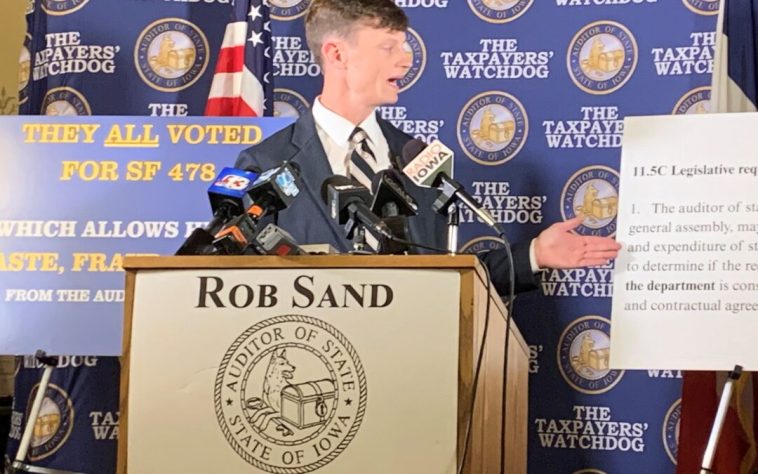
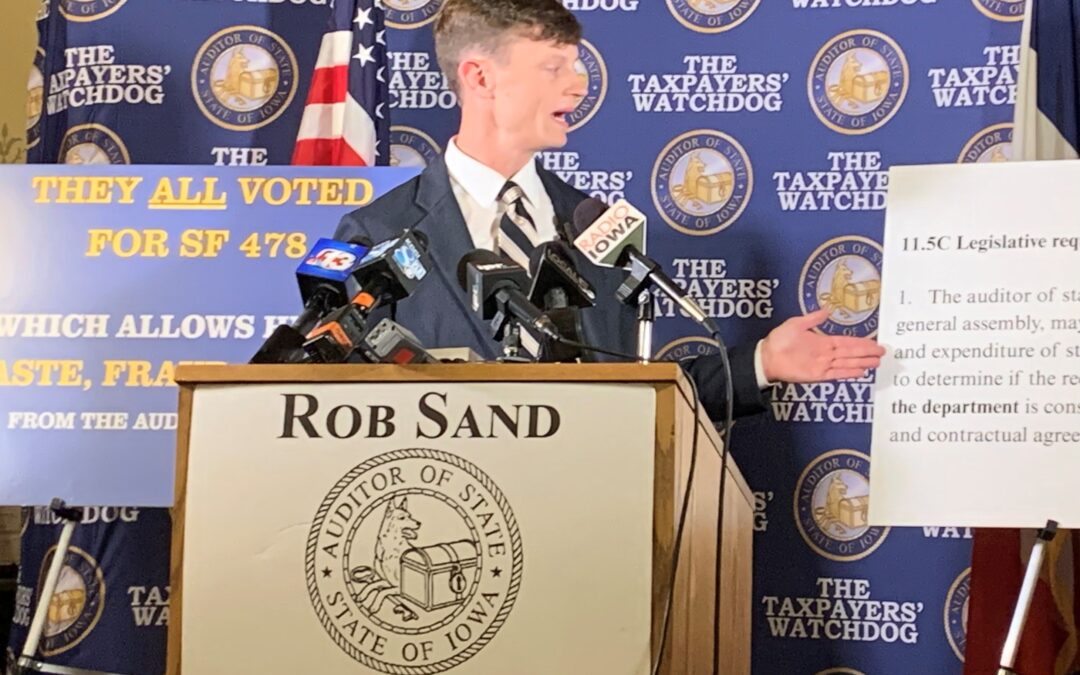
An examination of this case also brings to light the subtle details associated with political oversight in education. Auditor Rob Sand, a Democrat currently running for governor in 2026, has found himself at the center of a debate that includes strong critiques from Republican colleagues. These critics have charged that Sand is more focused on protecting his political allies than on fulfilling his official duties as a watchdog for Iowa taxpayers.
At a recent news conference, Sand emphasized that his office only proceeds with an audit if a qualifying request is made according to the law. His comments that it would be illegal to bypass this requirement clearly strike a blow at any appearance of partisanship. Nevertheless, the tensions remain high. Some state senators have alleged that by following the process strictly, Sand is failing to address issues that are, in their view, too intimidating to ignore—claims which add further twists and turns to the overall narrative.
Political figures have pointed out that another section of Iowa Code might theoretically allow a unilateral reaudit if there were material deficiencies in previous audits. However, Sand’s insistence on adhering to the clear requirements reinforces that while political lobbying is full of problems, legal procedures must take precedence. This delicate balance between political pressure and legal obligation is essential for maintaining the integrity of this process, ensuring that decisions are made based on facts rather than political posturing.
Transparency and Accountability in Des Moines Public Schools
The audit is not only a response to political controversy—it is also a reflection of the public’s expectation for high levels of transparency and accountability in the administration of public education. Administrators of Des Moines Public Schools have reiterated their commitment to cooperating fully with government entities, demonstrating that transparency is more than just a buzzword for them.
According to officials, the audit will serve as a third-party validation of the district’s existing processes. Interim Superintendent Matt Smith noted that while the process may result in additional financial and personnel costs, this form of external review is super important in reaffirming that the district is following sound financial practices. This open approach is a key element in building public trust, especially at a time when the community is eager to understand every angle of the district’s operations.
Furthermore, the school district’s recent track record—such as receiving a clean opinion from the auditing firm RSM US LLP and earning Certificates of Excellence in financial reporting for the past ten years—serves as a powerful argument for the adequacy of their internal systems. Yet, in a situation riddled with tensions stemming from recent high-profile controversies, even a system with a history of good performance can be forced to face a stringent public scrutiny.
Financial Accountability Review: Balancing Cost and Verification
The financial impact of an audit on Des Moines Public Schools is another topic that deserves attention. While critics argue that audits can be overwhelming and may place additional burdens on school districts, the reality is that these processes also help streamline spending. Any extra costs incurred by the audit are seen as an investment in clear, politically neutral oversight that benefits all stakeholders in the long run.
Financial accountability reviews are designed to uncover not only instances of wastage or mismanagement but also to highlight best practices that could benefit other districts facing similar tangled issues. Many in the community view such audits as a way to bring clarity to the otherwise complicated pieces of district management. The process, albeit intimidating and nerve-racking for school administrators, is an essential part of ensuring that public funds are used effectively to promote educational excellence.
In particular, a detailed table can help clarify the costs and benefits associated with such financial reviews:
| Benefit | Description |
|---|---|
| Increased Transparency | Provides independent validation that resources are managed properly. |
| Enhanced Accountability | Identifies areas for improvement and reduces the risk of mismanagement. |
| Boosted Community Trust | Assures taxpayers that their money is handled with care. |
| Best Practices Sharing | Provides a model for other districts to follow in managing their finances. |
These benefits far outweigh the potential extra costs or the temporary inconvenience the audit might bring. In the long run, such reviews ensure that the funds allocated for public education are being used in the best possible way, contributing to a stronger, more reliable educational system.
Conflict of Interest Concerns and Ethical Governance
One of the most contentious issues raised during this audit discussion involves potential conflicts of interest. Allegations have emerged that the former superintendent, Ian Roberts, may have engaged in questionable behavior by seeking emergency contract approval for a company with which he was associated. Such reports have naturally triggered concerns about whether ethical guidelines were followed and whether proper checks were in place.
Auditor Rob Sand addressed these concerns directly by stating that his office is “absolutely” worried about any conflict of interest that could jeopardize the integrity of the school district’s operations. His comments underscore the necessity of due process in addressing such allegations and ensuring that any contractual or financial decisions are in line with established ethical guidelines. Even though the audit cannot proceed until a legally qualifying request is submitted, these concerns about ethical governance have already set off heated discussions among educators, administrators, and the broader community.
This situation calls for a clear-set process to address any potential conflict of interest by laying out the following key measures:
- Strict Contractual Review: Policies should require thorough vetting of any contracts or agreements that might involve potential conflicts.
- Independent Oversight: An external review helps ensure decisions are free from internal biases or external pressures.
- Transparent Communication: Stakeholders must be kept informed about the audit findings and how any conflicts are to be managed.
- Ethical Governance Policies: Clear guidelines about acceptable practices and procedures can minimize future ethical dilemmas.
By establishing these measures, school districts can better figure a path through the challenging waters of conflict of interest concerns. It will allow them to not only address current issues but also to set up preventative protocols for the future. Such steps are absolutely essential to strengthening governance and ensuring that public trust is maintained.
Political Debate and the Dynamics of Education Policy Oversight
Politics and education policy have always shared a rocky relationship marked by subtle details, small distinctions, and even outright disagreements over priorities. In this particular case, the debate over the audit has become a litmus test for how political influence can impact the oversight process. The Republican senators in Iowa have been notably vocal, arguing that Auditor Sand’s strict adherence to procedure is merely a tactic to protect political allies and distract from important oversight duties.
These accusing remarks frame the audit as not just a routine check-up but as a politically charged move. Critics claim that this type of political maneuvering is loaded with issues, as it may undermine the objective review of financial and administrative practices in a major school district. However, supporters of Sand’s approach argue that adherence to legally mandated procedures is critical to avoiding shortcuts that could compromise the entire operation.
To better illustrate the interplay between political demands and legal responsibilities, consider the following comparison:
| Aspect | Political Pressure | Legal Requirement |
|---|---|---|
| Initiation of Audit | Calls for immediate action based on public statements by elected officials | Mandated by a qualifying request from district stakeholders |
| Scope of Review | Often colored by partisan perspectives and blame assignments | Determined by specific legal criteria designed to ensure objectivity |
| Outcome Focus | May serve as a political instrument during campaigns | Aims to reinforce public trust in financial accountability and governance |
This comparison highlights that while political players may have their own agendas, the established legal framework is in place to ensure that every step taken during the audit is both justified and transparent. The battle between political ambition and mandated procedure is a recurring theme in state-level educational oversight, and it is one that underscores the importance of keeping public interest above partisan politics.
Evaluating the Impact on School Leadership and Community Trust
The audit, although initiated by political controversy, may ultimately serve as a tool to bolster community trust in school leadership. Des Moines Public Schools has a storied reputation for its financial stewardship and adherence to accrediting standards, as evidenced by consistent recognition from professional bodies. Nonetheless, the nerve-racking scrutiny from an external perspective cannot be underestimated, particularly when allegations of improper financial conduct are involved.
School leaders are now tasked with not only managing their day-to-day responsibilities but also dealing with the off-putting weight of public suspicion. The audit compels school administrators to prove that, despite any confusing bits in how contracts were managed or decisions were made, their systems are robust and transparent enough to stand up to commercial scrutiny. This scenario creates a unique opportunity to take a closer look at the administrative decisions made during a period that was full of problems, and to demonstrate that proactive measures have been taken in response.
For the community, the audit can provide important insights into how the district manages its finances and whether the established processes can effectively prevent missteps. When citizens see that their local schools are subject to an independent review, it can reinforce their confidence in the institution. In contrast, if the audit reveals significant errors or deviations from established protocols, this information will serve as a key driver for policy reforms and stricter governance standards across all public schools.
School Board Transparency and the Role of Public Participation
Transparency is a super important priority in maintaining the public’s trust in local educational institutions. One salient aspect of the current audit is the school board’s proactive decision to request an audit from the Iowa Auditor’s Office. Instead of waiting passively for political pressure to mount, the district has chosen to embrace third-party validation of its financial processes, showing a willingness to work through the organizing maze of public accountability.
In a broader sense, this act of transparency goes beyond the immediate issue of addressing the audit. It sends a message to stakeholders—parents, teachers, and taxpayers alike—that the school board is eager to showcase its commitment to ethical governance. While the process itself might add extra costs and be intimidating due to the nerve-racking nature of external reviews, it is a move that highlights the board’s perseverance in confronting the tangled issues of financial oversight.
Public participation is another critical element in this scenario. The law requires a qualifying request from members of the school community to trigger an audit. This approach ensures that local voices, rather than just political elites, have a hand in deciding when accountability measures are needed. By involving parents, staff, and concerned citizens, the process democratizes the call for transparency and shapes a more inclusive conversation about the administration of public schools.
Financial Oversight Mechanisms in the Public Education System
One of the main arguments supporting the audit is that regular oversight mechanisms keep the education system on track. Accountability and proper financial management are key to ensuring that public schools can deliver quality education without succumbing to wasteful spending. This audit, prompted by both a legitimate request from within the district and external concerns, is a demonstration of how comprehensive financial oversight should work.
Beyond the current case, many state districts have established robust audit procedures to manage their resources. These procedures often include:
- Annual Financial Reviews: Conducted by independent firms to verify that all financial statements are accurate and transparent.
- Regular Internal Audits: These help identify any early signs of discrepancies before they become larger issues.
- Third-Party Reaudits: Initiated in response to any significant internal findings, reinforcing the integrity of the original audit.
- Public Reporting Mechanisms: Ensuring that all findings are available to the community fosters ongoing trust and accountability.
These mechanisms are not intended to be overwhelming or nerve-racking for administrators. Instead, they are designed to provide a clear, unbiased review of how financial resources are managed. The commitment to regular oversight reinforces that every twist and turn in the management process is carefully monitored, and any problematic tangled issues are dealt with according to established procedures.
The Impact of Audit Findings on Policy Making and Governance
The potential outcomes of the audit extend well beyond the immediate concerns of the Des Moines Public Schools district. If the audit uncovers discrepancies or raises questions about certain financial decisions, the findings could serve as an impetus for policy changes at both the local and state levels. Educational policymakers often need to sort out the subtle parts of administrative oversight to figure a path forward, especially in an environment where public resources require strict stewardship.
An objective review that uncovers even a few problematic areas can lead to a re-evaluation of current practices and policies in school management. These changes might include:
- Stricter Contract Review Procedures: Ensuring that any future contracts have multiple layers of approval to avoid potential conflicts of interest.
- Enhanced Training: Providing additional training for school administrators to better manage financial responsibilities and identify potential areas of concern.
- Revised Oversight Protocols: Developing more rigorous internal processes designed to minimize the possibility of errors or unethical conduct.
- Policy Reforms: Implementing changes that better balance the demand for transparency with the constraints that school districts face in managing public funds.
These potential reforms underline the fact that while audits can be intimidating and nerve-racking for those involved, the ultimate benefit lies in enhancing overall governance. By taking the extra steps to ensure that public funds are managed responsibly, policymakers can create a brighter and more accountable future for our schools.
Community Reactions and the Broader Implications for Education
The controversy surrounding the audit has generated a wide spectrum of reactions from community members, educators, and local leaders. For many, the decision to request and conduct an audit represents a commitment to openness and accountability—a way of confirming that even well-established institutions are not above scrutiny. For others, the debate is seen as a distraction driven by partisan politics, which risks undermining the ability of educators to focus on delivering quality instruction.
While opinions vary, one common thread in most responses is a shared desire for clear, unbiased information. The detailed audit process, despite its intimidating reputation and potential for adding extra financial burdens, has the capacity to either reinforce community trust or spotlight areas in need of improvement. Such an outcome would, in turn, encourage local politicians and school administrators to work together more closely to address the underlying issues.
Some of the broader implications of this audit include:
- Reinforced Accountability: A successful process that yields clear results can boost trust in the mechanisms designed to oversee public spending.
- Enhanced Collaboration: By involving community stakeholders in the qualifying request process, local leadership is encouraged to work directly with residents to align priorities.
- Policy Implications: Clear audit findings have the potential to shape new guidelines for financial management and ethical practices in not just one, but many school districts.
The role of community involvement in such a process cannot be overstated. When citizens are given the opportunity to voice concerns and influence the decision-making process through legally mandated mechanisms, it adds a crucial layer of democratic legitimacy to the ongoing debate. This pattern of involvement is a critical component of how modern education policy is crafted and implemented on both state and federal levels.
Examining the Road Ahead for Public Education Oversight
As the audit proceeds and more details emerge, it is essential to keep our focus on the key objective: ensuring that every dollar spent in our schools contributes to a high-quality educational experience. The current scrutiny being directed at Des Moines Public Schools, although set against a background of political controversies, serves as a prime example of how the state’s oversight agencies are charged with a super important role—to act as impartial guardians of public accountability.
This process is also a reminder that the twists and turns present in any public institution are not insurmountable. With careful adherence to legal requirements and a willingness to invite external reviews, even the most complicated pieces of administration can be clarified, and the resulting insights can lead to tangible improvements. Local and state governments must stay committed to these oversight mechanisms if they are to maintain public trust and ensure that educational institutions remain focused on fulfilling their educational mission.
Looking to the future, several steps can help solidify an effective oversight framework for public education:
- Continuous Improvement Initiatives: By regularly reviewing audit findings and incorporating feedback, school districts can stay ahead of potential issues before they escalate.
- Enhanced Stakeholder Engagement: Creating more avenues for community participation in oversight decisions is essential for democratic accountability.
- Transparent Reporting: Ensuring that audit results are shared in an accessible manner will help demystify the process and build trust among all stakeholders.
- Regular Policy Updates: Amendments to oversight protocols, inspired by emerging issues and evolving best practices, should be considered to keep pace with changing educational dynamics.
These measures represent a roadmap for finding your way through the often tangled issues of educational governance. They offer a proactive approach to managing your path, ensuring that the system not only addresses current concerns but also builds resilience against future challenges.
Conclusion: Striking a Balance Between Accountability and Political Influence
The decision to audit Des Moines Public Schools comes at a critical juncture where community trust, administrative transparency, and political pressures intersect. While some see the audit as an intimidating and nerve-racking response fueled by partisan tension, others view it as a necessary tool to ensure that public funds are managed properly and ethically. By sticking firmly to legally defined steps—such as waiting for a qualifying request—the process stands as a testament to sound governance and accountability.
Ultimately, the audit is a reminder that even in systems burdened with complex administrative procedures and conflicting political interests, there exists a well-established framework for ensuring financial integrity. It shows that navigating through the confusing bits and tangled issues of public finance requires not only sound legal principles but also a commitment to transparency and community engagement. Those responsible for managing our public education system have a super important duty to use every available tool to maintain accountability, to reveal the subtle parts that need improvement, and to respond swiftly to any conflict of interest that may arise.
For community members, educators, and policymakers alike, this ongoing audit should serve as a lesson in the value of third-party oversight. When independent reviews are carried out, even the most politically loaded controversies can be transformed into opportunities for constructive reform. In the end, ensuring that our public schools have robust resources and management is a goal that transcends political divisions, ultimately benefiting every student and taxpayer in Iowa.
As we watch the process unfold, it is crucial that all involved maintain an open dialogue and work cooperatively. Every stakeholder—from school officials and auditors to local residents and political leaders—has a role to play in ensuring that accountability does not become a casualty of political ambition. With a commitment to clear, transparent processes, the future of public education oversight in Iowa can be one of mutual respect, effective governance, and sustained progress.
In this challenging time, the audit is not just a review of numbers and procedures—it is, in many ways, a reflection of our collective dedication to the well-being of our educational institutions. By taking a close look at every twist, turn, and tangle in the system, we can all contribute to building a system that is not only financially accountable but also ethically robust and responsive to community needs. It is through such rigorous and inclusive oversight that we can pave the way for a brighter, better-managed future for our schools.
Originally Post From https://www.desmoinesregister.com/story/news/politics/2025/10/14/rob-sand-ian-roberts-dmps-audit/86687182007/
Read more about this topic at
Trump allies’ lingering election ‘audits’ spark public skepticism …
Partisan regulatory actions: Evidence from the SEC