Understanding the New Two-Tier School Bus System
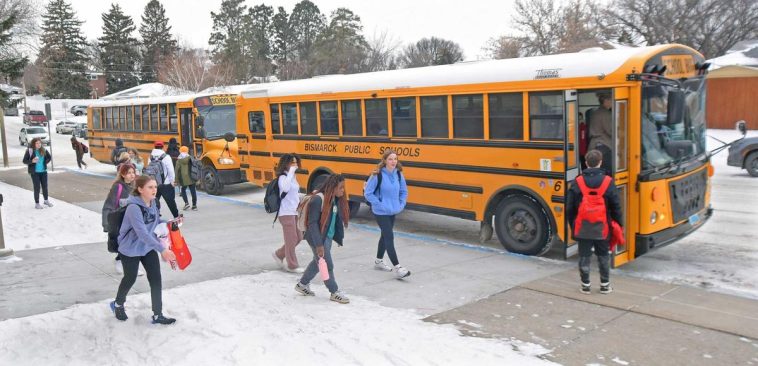
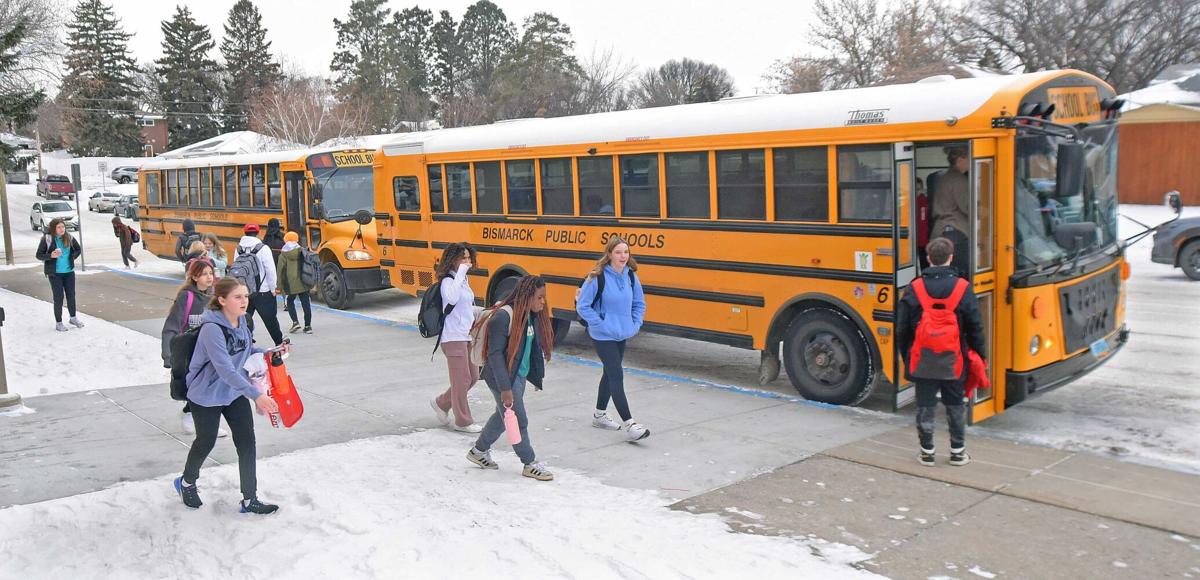
The recent decision by Bismarck Public Schools (BPS) to adopt a two-tiered school bus system has sparked a lively debate in our community. At its core, the new system splits school bus services into two distinct schedules for elementary and secondary students. While intended to address issues such as lengthy routes and driver shortages, this change has also led to concerns from parents and local residents about adjustments in pickup points and daily routines.
The idea of staggering bus pickups and start times is not new in theory; however, its implementation in a district as diverse as Bismarck—encompassing urban, suburban, and rural areas—adds its own set of tricky parts. In recent weeks, hundreds of calls and messages have flooded BPS offices, highlighting a community on edge with questions, misunderstandings, and, ultimately, genuine worry.
School Transportation Challenges in Rural Areas
One of the most talked-about aspects of the new plan is the shift from door-to-door pickups to neighborhood stops, especially in rural parts of Burleigh County. This change comes as a result of needing to find efficient solutions in an era full of driver shortages. In rural areas, where distances are vast and roads may not always be adequately maintained, moving away from individualized pickups to a centralized stop system represents a significant departure from established practices.
Rural families are now faced with longer walks to reach the designated stops, raising concerns about student safety, particularly in inclement weather or during early morning hours. While the district argues that the current circumstances make door-to-door pickups unsustainable, many parents feel the new plan fails to recognize the unique challenges presented by rural settings.
Key Issues Affecting Rural Commutes
Several specific, complicated pieces relate to the difficulties of adapting school bus routes for rural areas:
- Distance: In rural communities, distances between students’ homes can be significant, making a single neighborhood stop less convenient.
- Weather Conditions: Harsh weather may further complicate the journey to a central pickup point when compared to a door-to-door approach.
- Safety Concerns: The added requirement for students to walk or rely on alternative transportation raises safety questions that demand careful attention.
- Parental Supervision: Working parents may find it nerve-racking to adjust their schedules to ensure children get to and from stop points safely.
Clearly, when we take a closer look at these issues, the shift from a personalized, door-to-door service to a shared stop system is not simply an administrative tweak—it represents a major change in how transportation responsibilities are managed, especially in regions where students could already be facing isolated commutes.
The Impact of Driver Shortages and Logistical Hurdles
Another layer to this discussion involves the widespread issue of driver shortages. For years now, school districts across the United States have been grappling with finding enough drivers to maintain safe and timely transportation. BPS’s decision to restructure their bus system reflects a broader, sometimes intimidating, trend in public services where the number of available drivers simply does not meet demand.
BPS Superintendent Jeff Fastnacht explained that continuing to offer door-to-door pickups in areas like rural Burleigh County simply isn’t sustainable if there aren’t enough drivers to cover all necessary routes. He noted that some school administrators have even taken to driving the routes themselves to assess the situation firsthand. Such measures underscore the urgency of these issues—and the extreme measures needed when you’re trying to make your way during times full of problems.
Breaking Down the Driver Shortage Conundrum
Several subtopics help break down the sticky challenges associated with driver shortages:
- Recruitment Challenges: The pool of qualified drivers is shrinking, partly because few find the profession appealing given the work hours and the intense responsibility that comes with transporting children safely.
- Retention Issues: Even when qualified individuals are hired, retaining them over a long period can be a complicated piece. Lower pay scales compared to private sectors and the job’s physical demands are disincentives.
- Logistical Struggles: In many states, including North Dakota, managing the logistics of routes, especially when school schedules are adjusted for different grade levels, involves working through a tangled set of challenges.
Without increasing recruitment and retention efforts, all modifications made by school districts may become simply stop-gap measures rather than lasting transformations.
Examining the Parent and Community Response
When BPS introduced the two-tier bus system, the community response was almost immediate and vivid. Parents are understandably anxious when changes affect something as fundamental as their children’s morning routine. In many ways, this change is about more than bus routes and timings—it’s about trust between the public school system and the families it serves.
Parents have been reaching out, not only to ask operational questions such as “Where will the nearest pickup point be?” but also to express concern over how these changes might affect the punctuality and safety of their students. These concerns have generated a public dialogue filled with both genuine worry and demands for clearer communication from school officials.
Common Concerns Raised by Parents
Here are some of the most frequent issues raised by local parents:
- Clarity of Routes: With new neighborhood stops replacing door-to-door services, many parents are asking for map-based guidelines and clear directions.
- Safety Measures: Parents want assurances that the changes will not compromise the safety of their children during both pick-up and drop-off times, especially in poorly lit or low-traffic areas.
- Reliability of Timelines: With split schedules, parents worry about potential delays and whether the new system will be timely enough, particularly during transitional seasons such as winter.
- Communication from BPS: Many feel that existing communication channels have not done enough to explain the reasons behind these changes or to outline the benefits and potential pitfalls.
When community input is so vivid and sometimes critical, it becomes clear that BPS must address these concerns head-on. Otherwise, it risks further eroding parental trust at a time when cooperation and clear communication are essential to ensure the system operates smoothly.
Addressing the Tricky Bits in Communication
Effective communication remains one of the best ways to soothe an agitated community. As BPS moves ahead with the new bus system, the district must prioritize transparent and regular updates, ensuring both parents and staff are on the same page.
For instance, the district’s communication strategy could include the following actions:
- Regular Updates: Scheduled newsletters and social media posts detailing route changes, new stop locations, and schedule adjustments.
- Community Meetings: Hosting town halls where concerns can be addressed directly by school administrators and transportation coordinators.
- Detailed Mapping Guides: Providing parents with clear, easy-to-read maps of the new bus routes and pickup spots, inclusive of any hazards or significant crossing points.
- Feedback Channels: Setting up hotlines or online forums where parents can submit their suggestions and get real-time responses.
By taking these simple, yet effective steps, school district officials can start to eliminate the confusing bits and make community members feel more involved and informed. In a world loaded with challenges, such thoughtful communication is not just helpful—it’s a must-have approach to building lasting trust.
Community and Policy Implications
The debate surrounding the new two-tiered system extends beyond just transportation logistics. It taps into broader issues of state and federal education policy, the allocation of resources in public education, and the ways in which local communities are adapting to politically and economically taxing realities.
The transition in Bismarck is particularly telling when considered against the backdrop of evolving state policies on public transportation funding, labor shortages, and infrastructure development. Policy makers—both at the state and federal levels—are increasingly watching these local decisions to evaluate whether national strategies can be modified or reformed to support public schools more effectively.
How Policy Influences Public Education Transportation
Certain aspects of this issue highlight the larger policy debates at play:
- Funding Constraints: With limited budgets, many districts are forced to make quick decisions to balance cost and service quality. This two-tier system, while compromising in some ways, reflects the struggle to align quality education with fiscal realities.
- Driver Recruitment Grants: Some state programs offer grants or incentives to recruit and retain school bus drivers. These opportunities are critical in ensuring that schools do not compromise on safety or accessibility.
- Infrastructure Improvements: Investments in better roads, clearer signage, and improved technology for route management are small steps that can enhance overall transportation efficiency, particularly for rural areas.
- Legislative Oversight: Lawmakers are increasingly concerned with how policy decisions at the local level might inform broader legislative reform. Schools across the nation are watching to see if adjustments in one community might prompt similar changes elsewhere.
The bigger picture demands that education officials and policy makers work together to figure a path that not only addresses immediate logistical challenges but also sets a long-term precedent for safely managing student transportation. In this sense, the BPS decision could serve as an essential case study in both the benefits and potential pitfalls of policy-driven operational changes.
Weighing the Pros and Cons of the New Plan
As is the case with most significant changes, there are both upsides and downsides to the two-tiered bus system. On one hand, staggering pickup times can reduce congestion, allow for better management of bus routes, and hopefully ease the burden on school transportation budgets. On the other hand, the elimination of door-to-door service for certain areas—especially the rural sections—introduces new challenges that many feel have not been adequately addressed.
Benefits to Consider
Looking at the benefits, the new system attempts to provide a sustainable solution during a period of driver shortages and tightening budgets:
- Improved Efficiency: By splitting schedules, school administrators can optimize routes to cover more ground with fewer buses and drivers.
- Cost Savings: Reducing the number of stops and consolidating routes can help the district save money on fuel and maintenance, potentially freeing up funds for other educational priorities.
- Enhanced Route Management: With fewer routes to manage in terms of time and manpower, officials can focus on ensuring the most critical areas are adequately served.
- Resource Optimization: Using a boosted administrative approach, where leaders like Superintendent Fastnacht are directly involved in running routes, can lead to insights that might improve the overall system.
Drawbacks and Complications
Conversely, the drawbacks remain a serious topic of discussion, particularly among caregivers and the local community at large:
- Safety and Accessibility: Shifting from a direct, home-to-bus approach to centralized stops could pose safety risks, especially for younger children or those in rural neighborhoods.
- Schedule Adjustments: The new staggered schedule may lead to confusion, as families struggle to adjust their morning routines around different pickup times.
- Communication Gaps: Without a robust communication strategy, parents might feel left in the dark about the specifics of the changes, leading to avoidable frustration.
- Logistical Hurdles: As routes are reassessed and new stops are implemented, the period of transition might be marked by temporary inefficiencies and delays.
When we pore into these points, it becomes evident that while the plan addresses some significant concerns, its execution requires addressing the subtle parts that have been overlooked. By weighing the benefits against the complicated pieces, it’s clear that the dialogue between school officials and worried community members needs to continue unabated.
Finding a Balance in School Transportation Policy
At its heart, the debate about BPS’s new transportation system revolves around finding a balance between efficiency and accessibility, sustainability and community trust. One of the most challenging aspects is ensuring that policy changes made in response to driver shortages and fiscal constraints do not leave behind the very community that depends on these services.
It’s imperative that school administrators continue to engage with families and community leaders, taking a closer look at the hidden complexities behind route planning and scheduling adjustments. In some ways, the situation serves as a microcosm of broader educational policy issues—a stark reminder that every decision made at the district level has ripple effects that stretch far into families’ daily lives.
Strategies for a More Inclusive Plan
To create a more balanced approach, several strategies should be considered by BPS and similar districts nationwide:
- Enhanced Community Engagement:
- Organize regular meetings where parents, drivers, and school officials can discuss the challenges and successes of the new system.
- Establish a feedback loop that encourages families to suggest improvements, ensuring that small distinctions in community needs are heard.
- Targeted Support for Rural Areas:
- Allocate additional resources for areas with longer travel distances, such as subsidized transportation for students who face longer walks.
- Collaborate with local law enforcement and community groups to ensure that safety protocols are enhanced around neighborhood stops.
- Improved Route Technology:
- Invest in technology that provides real-time tracking of school buses so parents know exactly when pickups and drop-offs will occur.
- Utilize mapping tools to refine routes dynamically, taking into account seasonal changes and feedback from drivers.
- Transparency in Decision Making:
- Publish detailed reports explaining the decision-making process behind the new system, including data on driver shortages and cost analyses.
- Offer clear, understandable explanations of why certain compromises, like neighborhood stops, were necessary.
By deploying these strategies, BPS can demonstrate an unwavering commitment to both operational efficiency and the essential task of ensuring every student’s safe passage to and from school.
Exploring the Broader Educational Landscape
This transportation story also provides a window into the broader educational landscape, where changes in transportation policies often mirror wider debates about school funding, teacher recruitment, and student safety. Across the country, elected officials and school board members are constantly balancing the demands of modern educational requirements with the on-the-ground realities of limited resources.
Many see the current situation in Bismarck as part of a larger, tangled set of issues that include:
- Budget Constraints: Limited financial resources often force districts to adopt measures that are less than ideal in order to meet mandatory service levels.
- Labor Market Fluctuations: The public sector competes with other industries for staff, and this competition has resulted in fewer qualified bus drivers available for school transport roles.
- Demographic Shifts: As populations change and suburban-rural divides become more pronounced, school systems must adjust policies that were once designed for a less diverse set of circumstances.
- Policy Reforms: Various proposals at both the state and federal levels seek to address education funding and infrastructure improvements, but these often lag behind immediate local needs.
The Bismarck situation is a classic example of when local school policy becomes a focal point for broader problems. In an era when many systems are titrated to be as cost-effective as possible, finding your way through the competing pressures of community expectations and operational demands is a nerve-racking challenge for administrators and policy makers alike.
Taking a Closer Look at Future Implications
Looking ahead, it is clear that what BPS is doing now may have long-term implications for school transportation in similar communities across the nation. Whether it’s a temporary fix or a model for future policy, the two-tier system is likely to inspire debates among educators, policy advocates, and families alike.
Key factors to monitor include:
- Efficiency Over Time: Will the new schedule and route structure lead to fewer delays and better route management? Only time will tell as administrators continue to fine-tune the system.
- Community Satisfaction: Continuous feedback from parents and caregivers will be crucial in determining whether the changes truly meet the community’s needs or if further adjustments will be necessary.
- Policy Adjustments: If the new system proves effective, it might prompt state and even federal agencies to consider similar models elsewhere. Conversely, significant issues might drive policy makers back to the drawing board in search of alternative solutions.
- Technological Integration: The integration of modern tracking and mapping technology could serve as a model for how public school transportation can be enhanced in other regions challenged by similar issues.
This is certainly not a static debate—it will continue to evolve as educational demands shift and transportation challenges persist. The experience of Bismarck Public Schools may well become a key chapter in the ongoing book of American education policy reform.
Charting a Path Forward
Every significant change comes with its share of confusing bits and tangled issues, and the recent overhaul in BPS’s bus system is no exception. By taking into account the need for sustainability, clearer communication, and community engagement, there are ways to ease what might otherwise be an overwhelming transition.
School districts must recognize that even the most well-intentioned policies can feel off-putting if implementation and feedback channels are not handled with sensitivity. Finding your way through these challenges means understanding that every decision has a cascade of effects—from the local level all the way up to state policy. It means realizing that what might initially seem to be a minor operational tweak can touch on a number of social and economic factors.
Actionable Steps for Stakeholders
To summarize and clarify the way forward, here are some actionable recommendations for the different stakeholders involved:
- For School Administrators and Policy Makers:
- Initiate regular community feedback sessions to catch and address problems early.
- Offer detailed communications, including visual aids such as maps and schedules, to help parents and students adjust.
- Implement technology solutions to provide real-time updates regarding bus locations and estimated arrival times.
- Explore partnerships with local transportation companies or ride-sharing services to supplement bus routes in underserved areas.
- For Parents and Community Members:
- Stay informed by regularly checking district communications and participating in public meetings.
- Provide constructive feedback based on real experiences, helping administrators figure out practical improvements.
- Help neighborhood groups coordinate safe transit plans, particularly for younger or vulnerable children during transit times.
- For Policy Advocates:
- Push for additional funding and legislative reforms that support sustainable transportation systems in public schools.
- Highlight local case studies, like the BPS system, to showcase both benefits and areas in need of reform to a broader audience.
- Encourage research into innovative solutions to common transportation problems, ensuring policies adapt as quickly as operational needs evolve.
Each group plays a key role in ensuring that the transition not only addresses immediate logistical issues but ultimately contributes to a more resilient and equitable school transportation system for the future.
Concluding Thoughts on Balancing Efficiency and Community Trust
In summary, the recent changes implemented by Bismarck Public Schools in their bus system shine a light on the enduring tensions between operational efficiency and community expectations. While administrative adjustments like a two-tier system are designed with modern challenges in mind—specifically, driver shortages and stretched budgets—they also create new complexities that require immediate, empathetic attention.
The evolving public dialogue suggests that while many appreciate the need for a streamlined, cost-effective transportation method, they also demand that school officials remain open and engaged. As the district continues to work through these issues, the hidden complexities and nerve-racking twists of change will persist until a balance is struck that satisfies operational constraints without compromising the safety and convenience of the families involved.
This case is a telling example of how local decisions can serve as critical indicators for broader educational policy. Policy makers across state and federal levels are watching closely, understanding that even small improvements in school transportation can pave the way for more comprehensive reforms in public education funding and infrastructure management.
Ultimately, the true measure of success will be in the ability of BPS to adapt continuously—ensuring not only that routes and schedules are efficient, but also that every student, parent, and community member feels heard and safe. The journey ahead may be full of problems and nerve-racking challenges, but by taking a closer look at every fine point and subtle difference in approach, BPS could very well set a new benchmark for school transportation in an era defined by change and adaptation.
Looking Ahead: The Future of School Transportation
As we reflect on the changes made in Bismarck, it’s crucial to adopt a forward-thinking perspective. Modern school transportation systems must be agile and responsive, ready to cope with internal and external pressures alike. The situation in BPS is not an isolated incident—it is emblematic of larger trends where public institutions strive to make tough choices amid limited resources and evolving demands.
Several long-term impacts from this restructuring are worth noting:
| Area | Impact | Considerations |
|---|---|---|
| Operational Efficiency | Optimizing routes to manage fewer available drivers. | Requires ongoing evaluation and dynamic route adjustments. |
| Community Trust | Public feedback channels help restore parent confidence. | Effective, transparent communication is a must-have. |
| Safety | Neighborhood stops raise safety concerns for vulnerable students. | Enhanced measures and clear guidelines are necessary. |
| Policy Influence | Local decisions serve as a model for future legislative reforms. | Monitoring long-term outcomes can shape national practices. |
By keeping an eye on these areas, stakeholders can work together to build a system that not only addresses immediate hurdles but also reinforces community confidence over the long haul. This balanced approach is central to success in any vast, multi-faceted operation involving public services.
Final Reflections on the Two-Tier Bus System
The evolution of the school bus system in Bismarck is a multifaceted issue, rife with challenging parts that require both administrative acumen and community collaboration. While efficiency and cost-saving measures are undeniably essential, they must be weighed against the impact these changes have on student safety, community trust, and overall satisfaction.
When we think about it, every new policy introduced in education comes with a fair share of twists and turns. In the case of BPS, the implementation of neighborhood stops and staggered pickup times may seem like a pragmatic response to driver shortages, yet they bring along ambiguous issues that call for careful consideration.
As discussions continue and administrators refine the system through practical experience—sometimes even by personally taking on the role of a bus driver—we see a genuine effort to understand the subtlest details. In an increasingly complicated environment, such personal involvement is both a sign of commitment and a necessary step toward building a better, more sustainable system.
Ultimately, the transformation of the school bus system is not just about moving buses; it is about ensuring that every child receives safe, reliable transportation. It is a balancing act that involves technical improvements, policy reform, and the continued support of an engaged community. Only by addressing the fine points and recognizing the broader context can public institutions succeed in their mission to educate and protect our children.
At this crossroads, every stakeholder—whether a school administrator, a parent, or a policy advocate—has an essential role to play. By working together, we can steer through these confusing bits and complicated pieces, ensuring that Bismarck, and communities like it, continue to grow stronger and more resilient in the face of ongoing challenges.
Originally Post From https://www.kfyrtv.com/2025/08/18/bismarck-public-schools-address-concerns-with-new-bus-system/
Read more about this topic at
Staggered Bus Stops | YourStudent Gemini Wiki – Fandom
Similarity-based bus services assignment with capacity …