Scholarly Analysis of the Shadow Docket’s Impact on Research Funding
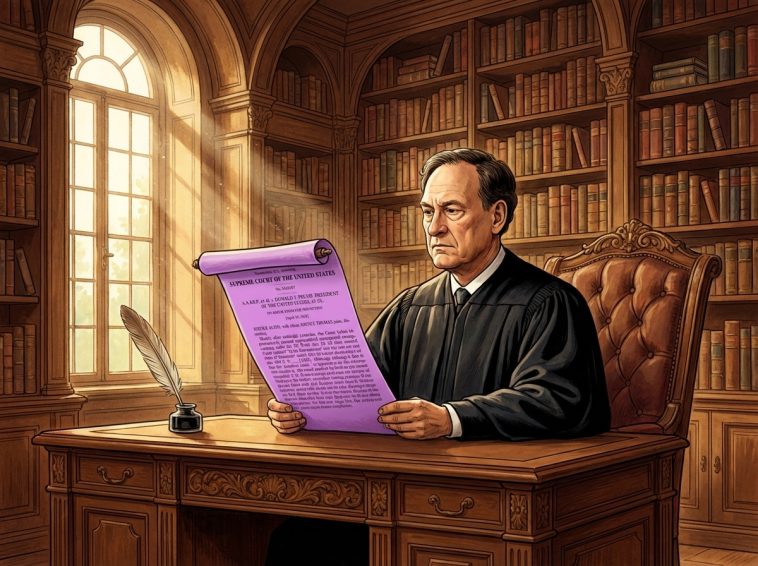
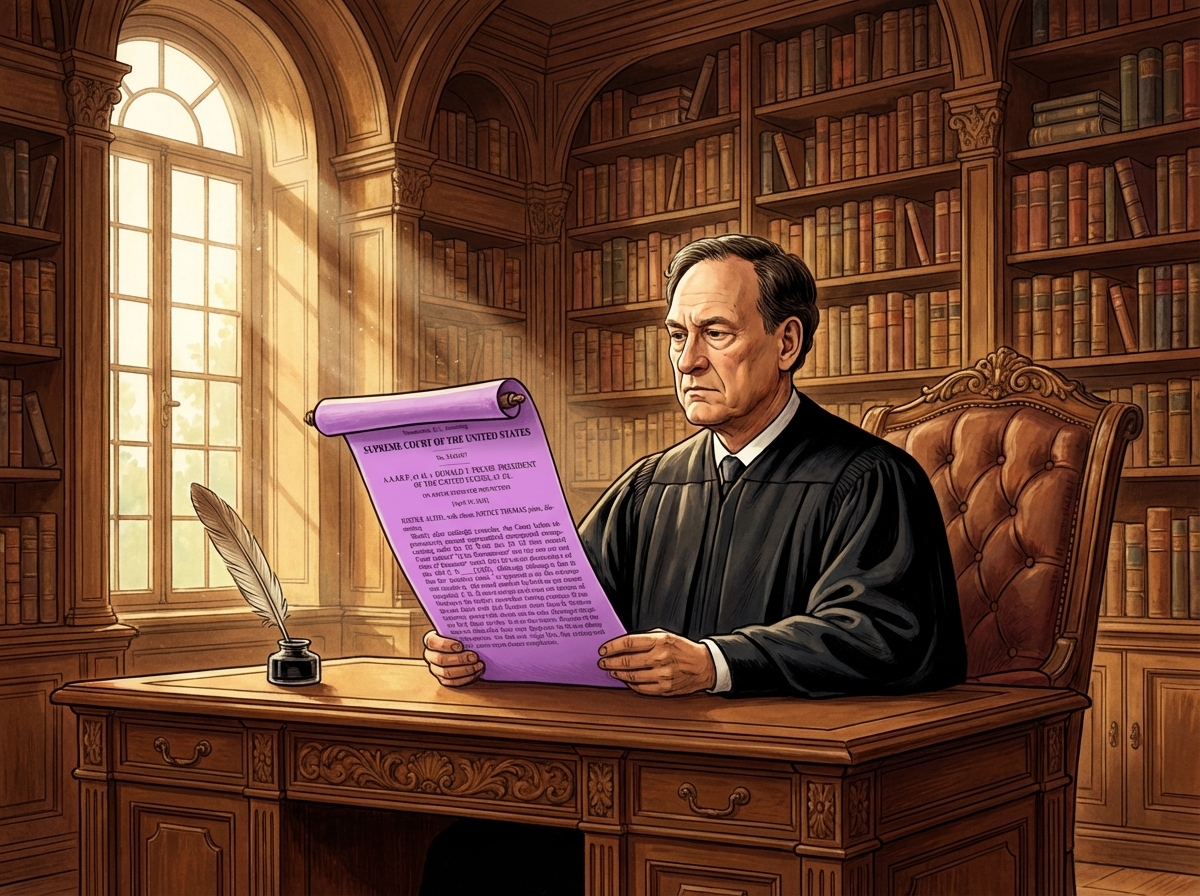
The recent shadow docket decision in NIH v. American Public Health Association has not only raised eyebrows among legal pundits but also shed a glaring light on the tangled issues inherent in emergency court orders. This piece provides an opinion editorial that examines the Supreme Court’s handling of the dispute and the cascade of problematic decisions that have followed. In doing so, we take a closer look at the legal reasoning, the impact on public research funding, and the broader implications for lower-court judges and the judiciary overall.
At its core, the case revolves around the controversial cancellation of thousands of grants administered by the National Institutes of Health (NIH). The dispute began when a U.S. District Judge, William Young, issued a ruling halting the Trump administration’s abrupt decision to cut off funding for several research projects spanning topics from suicide prevention to Alzheimer’s disease research. Young’s detailed 103-page decision, which laid out extensive factual findings, was later affirmed by a federal appeals court before the matter reached the Supreme Court in an emergency posture.
It is important to note that this shadow docket decision was not isolated. Instead, it forms part of what many see as an ongoing trend in the Court’s approach to emergency orders—a practice that appears to prioritize rapid, on-the-fly decisions over the more deliberate and measured analyses that such pivotal matters might demand.
Evaluating the Supreme Court’s Emergency Stay Decision
In August 2025, the Supreme Court handed down a 5–4 decision that left many legal scholars confused by its reasoning. The opinion was signed without attribution and provided minimal insight into the basis for its determination. In effect, the Court invalidated Judge Young’s decision by claiming that he had contradicted an earlier 5–4 order from April—the Department of Education v. California case.
This is emblematic of the Court’s reliance on prior shadow docket orders, even when those orders have themselves been criticized for being incompletely developed. An excerpt from Justice Elena Kagan’s earlier comments described that prior decision as “at the least under-developed, and very possibly wrong.” Indeed, Chief Justice John Roberts dissented from both the earlier decision and the recent NIH order—a sign that even the highest-ranking member of the Court found the methodology unsound.
Rather than engaging with the nitty-gritty of Judge Young’s 103-page opinion, the Court instead chose to reference another shadow docket ruling as a controlling precedent. This approach leaves many lower court judges in an awkward position, as it requires them to find their way through a patchwork of orders that have not been fully justified in a transparent manner. The result is a set of decisions that is not only confusing but also potentially harmful to the integrity of judicial review.
Unpacking the Emergency Legal Reasoning Behind the Decision
One of the most concerning aspects is the Court’s apparent reliance on back-of-the-napkin reasoning—a method that essentially bypasses full briefing and oral argument. This shortcut, critics argue, results in decisions that are both incomplete and potentially disconnected from the layers of evidence provided by the lower courts.
Specifically, the majority opinion insisted that plaintiffs should seek their reimbursement from the Court of Federal Claims rather than pursuing a remedy through the district court and the Administrative Procedure Act. This directive presents a series of practical problems:
- It challenges established procedural norms regarding the channels available for redress.
- It creates a situation where clear factual findings were effectively stripped of their value.
- It undermines the authority of detailed judicial reasoning developed in earlier stages of the case.
This shift puts a heavy burden on the lower courts, compelling them to steer through an already intimidating maze of legal guidelines and prior shadow docket decisions—all of which seem to have little regard for thorough, evidence-based analysis. The decision’s reliance on what amounts to invisible-ink reasoning only deepens the confusion, leaving both legal professionals and the public clamoring for greater clarity and accountability.
The Role of Judicial Hierarchies and Lower-Court Independence
Justice Neil Gorsuch’s concurring opinion, which was joined by Justice Brett Kavanaugh, further accentuates the tension between the Supreme Court’s tendency to intercede and the autonomy of lower-court judges. In his sharply worded critique, Justice Gorsuch pointed out that Judge Young’s decision had been unjustly overruled and suggested that lower court judges are not afforded the freedom to ignore these shadow docket rulings—even when those rulings themselves appear to be on shaky ground.
In his succinct remarks, Justice Gorsuch stated: “Lower court judges may sometimes disagree with this court’s decisions, but they are never free to defy them.” This statement captured a sense of inevitable subordination that many find problematic, particularly when the Supreme Court’s own reasoning is so opaque. In this context, it is worth considering how such an approach affects the morale and independence of judges at lower levels of the judicial hierarchy.
For instance, a table below outlines the key differences between the judicial reasoning at the district court level and the Supreme Court’s shadow docket approach:
| Aspect | District Court Approach | Supreme Court Shadow Docket Approach |
|---|---|---|
| Decision Length | Detailed and explanatory (103 pages) | Concise and unsigned |
| Transparency | High: Extensive findings and reasoning | Low: Minimal explanation, invisible-ink reasoning |
| Impact on Precedents | Respects detailed factual records | Relies on previous shadow docket orders |
| Judicial Interaction | Encourages debate and dissent | Suppresses disagreement among lower judges |
This table underscores how the Supreme Court’s emergency decision-making may inadvertently stifle robust legal discussion and compromise the autonomy that lower courts might otherwise enjoy. When decisions are handed down in this rushed, abbreviated manner, the subtle details that determine the strength and fairness of judicial reasoning are overlooked, leaving behind a legacy of tension and unresolved legal problems.
Consequences for Biomedical Research and Public Welfare
Beyond the procedural and hierarchical dilemmas, the repercussions of the shadow docket decision extend into the realm of public policy—especially in the context of biomedical research funding. With the NIH being the most important funder for medical research globally, the cancellation of numerous grants directly affects the trajectory of critical research. These grants support a wide variety of initiatives, including studies in suicide prevention, HIV transmission, Alzheimer’s disease, and cardiovascular research.
The Trump administration had originally canceled these grants on the grounds that they allegedly promoted certain political perspectives, such as DEI initiatives, “gender ideology,” and COVID-related studies. Judge Young’s ruling, which required the administration to honor the payment obligations associated with the grants, provided a beacon of hope for researchers and patients alike. However, the Supreme Court’s subsequent intervention ultimately restored the administration’s ground for cancellation, leaving researchers in a state of uncertainty.
This situation is of particular concern for several reasons:
- Impact on Public Health: The abrupt cancellation of vital research grants could delay advancements in treating life-threatening conditions.
- Financial Uncertainty: Researchers may face significant setbacks as funding shortfalls force projects to be scuttled or postponed.
- Long-Term Research Goals: The chilling effect of such judicial decisions could discourage innovative research efforts in pivotal areas of public health.
In this way, the administrative and procedural decisions made at the highest judicial level have direct, tangible consequences for an array of public health initiatives. These outcomes underscore the delicate balance between executive actions, judicial oversight, and the essential role that research funding plays in societal progress.
Exploring the Broader Implications for the Federal Court System
The NIH v. American Public Health Association decision is not just about research grants; it speaks to a larger issue within the federal court system. The obsessive reliance on shadow docket orders places a significant strain on the legal framework designed to ensure accountability and detailed judicial review. Many legal experts have raised concerns that the lack of transparency and rushed decision-making process may lead to a weakening in the overall integrity of the judicial system.
Below are some key points that capture the broader debates emerging from this decision:
- Reliability of Emergency Orders: The frequent, almost reflexive, use of shadow docket decisions can erode confidence in the legal process. The public and legal professionals alike may come to question whether such orders are issued with the care and deliberation that constitutional issues demand.
- Control Over Judicial Precedents: Lower court judges are required to apply ruling that may drastically differ in reasoning from thoroughly argued opinions passed after full briefs and hearings. This exaggerated reliance on a narrow set of shadow docket precedents has the potential to disrupt the system of checks and balances built within the federal judiciary.
- Implications for Judicial Independence: The heightened centralization of power in the hands of a few justices, as evidenced by the dissents from Chief Justice Roberts and others, reveals a need for a more robust dialogue between the Supreme Court and lower courts. This dialogue is essential for maintaining judicial independence and fostering an environment where dissenting opinions can provide critical insights.
In sum, the case exposes how the current practice of issuing quick, emergency orders may unintentionally contribute to an environment loaded with problematic legal associations and fragile judicial interactions. It calls for a careful reexamination of the methods by which the Supreme Court handles cases that affect not only legal doctrine but also the everyday functioning of federal agencies and lower courts.
Legal Accountability and the Future of Judicial Decision-Making
The aforementioned issues also highlight a broader question about accountability within the judiciary. When justices issue orders in a manner that skips the traditional processes of briefing and oral argument, they set a dangerous precedent with far-reaching consequences. This is particularly true when the decisions have tangible effects on policies that directly impact millions of lives.
One of the more eye-opening aspects of the decision was the manner in which it was justified based on an earlier shadow docket ruling—a ruling that had received strong criticism even at the time of its issuance. Justice Neil Gorsuch’s sharply worded concurrence, along with Justice Brett Kavanaugh’s support, underscores the notion that the Supreme Court is prioritizing its internal policy over detailed judicial review. Their assertion that “lower court judges may sometimes disagree with this court’s decisions, but they are never free to defy them” reflects a stance that leaves little room for dissent or thoughtful debate.
Further adding to the drama is the personal element noted in these exchanges. There are hints of deep-seated frustration and even personal affronts—illustrated by lower court Judge Young issuing an apology to Justices Gorsuch and Kavanaugh for his decision. Such interactions indicate that the issue is not solely about legal doctrine but also about the interpersonal dynamics within the judiciary—dynamics that may affect collegiality and mutual respect on an ongoing basis.
Looking forward, there is a pressing need for reforms that would reintroduce more transparency and thoroughness in the Court’s emergency decision-making process. Without such reforms, there is a risk that the justices may continue to issue orders that are not only opaque but also inconsistent with the principles of due process and rigorous judicial review.
Assessing the Impact on Lower Court Judges and Judicial Collegiality
While much of the analysis has focused on the high-level implications of these decisions, it is equally important to consider the effects on lower court judges. When decisions are handed down summarily by the Supreme Court, lower courts are left to figure a path through a maze of subsequent legal hurdles. This approach undermines the authority and independence of judges who have invested significant time and effort in crafting well-reasoned decisions.
The legal community has observed that lower court judges frequently face undue pressure when their detailed opinions are overridden by abbreviated shadow docket orders. The expectation that they must accept these orders without comprehensive debate creates an atmosphere that is not only intimidating but also practically challenging, given the finely tuned legal analysis on which their decisions are based. Below is a bulleted list of the primary concerns raised by lower court judges:
- Loss of Autonomy: Judges may feel that their extensive legal reasoning is being sidelined by rapid, top-level decisions.
- Strained Relationships: A lack of collegiality between different levels of the judiciary can emerge when lower court judges are repeatedly overruled without proper explanation.
- Reduced Trust: When the Supreme Court resorts to minimalistic explanations, it can diminish the trust that the public and legal professionals have in the fair application of judicial authority.
- Professional Frustration: The need to constantly readdress thoroughly argued points that have been summarily dismissed may contribute to feelings of professional discouragement and burnout.
These issues further underscore the need for a judicial process that both thoroughly explains its decisions and respects the decisions of lower court judges. Only by actively addressing these concerns can the judiciary hope to correct the course and reinstate the confidence of those who interpret and apply the law at every level.
Shadow Docket Trends and Their Policy Ramifications for Research Funding
The case at hand also serves as a lens through which to view the broader implications of shadow docket decisions on public policy, particularly in the area of research funding. With the NIH’s grants serving as a lifeline for groundbreaking biomedical research, any legal decision that impedes their flow can have long-lasting and widespread effects.
For the scientific community, the repercussions are clear and concerning:
- Delayed Scientific Progress: The uncertainty in funding may force researchers to delay or cancel ongoing studies that are crucial to advancing medical science.
- Diminished Innovation: Unpredictable funding streams can discourage new research initiatives, thus stalling the development of innovative treatments and technologies.
- Economic Consequences: Research institutions reliant on NIH grants may face financial instability, thereby impacting overall contributions to public health advancements.
To help illustrate these points further, consider the following table that outlines the potential short- and long-term policy ramifications of shadow docket decisions on biomedical research:
| Impact Area | Short-Term Effects | Long-Term Consequences |
|---|---|---|
| Research Projects | Suspension or delay in current studies | Fewer innovative breakthroughs, slowed innovation |
| Funding Stability | Budgetary uncertainties and reallocations | Institutional instability and reduced overall investment in research |
| Public Health | Immediate gaps in critical research areas | Long-term implications for treatment availability and health outcomes |
This table outlines not only the fragility of reliance on shadow docket decisions but also serves as a stark reminder of how judicial processes can have tangible consequences far beyond the bench. The potential for unintended policy repercussions reinforces the call for a more rigorous, transparent, and carefully considered judicial approach—one that takes into account both the legal reasoning behind decisions and their wider societal impacts.
Charting a Path Forward: Recommendations for Enhanced Judicial Transparency
Given the manifold challenges highlighted by the shadow docket decisions, particularly in sensitive cases such as NIH v. American Public Health Association, it is clear that steps must be taken to recalibrate the approach employed by the Supreme Court when dealing with emergency matters. Here are some recommendations for enhancing judicial transparency and consistency:
- Increase the Length and Detail of Opinions: Even in emergency cases, it is essential that the Court provide more comprehensive explanations of its decisions, ensuring that lower court judges and the public can fully understand the underlying reasoning.
- Revisit the Reliance on Precedent: There should be cautious reexamination of whether limited shadow docket decisions can serve as a firm basis for broader legal determinations, particularly when those decisions themselves have been criticized.
- Foster Greater Collegiality: Encouraging a more respectful dialogue between the various tiers of the judiciary will help ease the tension and ensure that dissenting voices are not silenced in the rapid pace of emergency rulings.
- Implement Procedural Reforms: Establishing clearer guidelines regarding how emergency orders should be considered, briefed, and argued can reduce the risk of hasty decisions that potentially undermine due process.
These recommendations are not merely theoretical suggestions; they represent a practical roadmap that can help restore balance and accountability. By taking these steps, the federal judiciary can work through the argumentative maze and rebuild trust, both among its ranks and within the broader legal community.
Concluding Thoughts: Reflecting on the Judicial Process and Its Broader Impacts
The shadow docket decisions in cases such as NIH v. American Public Health Association unveil a broader dialogue about the direction of American jurisprudence. While these decisions were born out of a desire to address what the administration deemed an “emergency,” the manner in which the Supreme Court has chosen to resolve these disputes raises significant questions about transparency, reliability, and accountability in the judicial process.
From a broader perspective, the decision not only highlights troubling trends in how the highest court in the land handles emergencies, but it also brings to the fore the significant consequences for research funding—a matter that directly affects public health, scientific progress, and economic stability. The systemic reliance on abbreviated reasoning and the suppression of lower court autonomy create conditions that are both intimidating and replete with long-term challenges.
It is crucial for legal practitioners, policymakers, and the public to take note of these developments. The shadow docket is not simply a procedural quirk—it is a force with considerable potential to shape policy, affect scientific innovation, and influence the overall trust placed in our judicial system. To regain confidence, there must be a concerted effort to revive detailed judicial debate and to ensure that every decision is subject to the full weight of transparent and reasoned legal scrutiny.
In closing, while it is understandable that the Court must act swiftly in times of crisis, the implications of rapid-fire decisions—especially in a system designed to safeguard both procedural fairness and public welfare—are too significant to ignore. As the legal community continues to assess the legacy of these shadow docket rulings, there is a distinct opportunity for reform that respects the subtle details of judicial reasoning while protecting the rights of those affected by these decisions.
In the end, the path forward demands that we address the hard questions: How can we better align emergency judicial practice with the demands of a fair and comprehensive legal process? And how can we ensure that every decision—no matter how swift—is both sound in its substance and respectful of the checks and balances that define our judicial heritage? Until these questions are answered, the shadow docket will remain a controversial chapter in the unfolding narrative of American law—a narrative that calls for thoughtful reflection and meaningful change.
As we continue to watch and analyze such cases, it is paramount that the law not only serves those in immediate crisis but also upholds the principles that have long underpinned our democracy. The current state of affairs demands that our legal institutions work through the tangled issues with renewed commitment to transparency, robust debate, and a respect for the profound impact that each decision can have on both individuals and society at large.
Ultimately, it is our collective responsibility—as legal practitioners, scholars, and engaged citizens—to ensure that the judiciary stands as a true guardian of justice. By challenging practices that undermine detailed judicial reasoning and by advocating for reforms that promote fairness, we can help pave the way for a judicial system that truly meets the needs of every American.
The current debate over shadow docket decisions is not merely an abstract legal controversy; it is a reflection of the evolving relationship between law, governance, and public trust. As we take a closer look at these emergency decisions, let us also take a moment to recognize the broader, more subtle parts of this evolving dialogue—parts that require us all to reexamine what it means to protect both the letter and the spirit of the law in a time of unprecedented challenges.
Originally Post From https://slate.com/news-and-politics/2026/01/supreme-court-2025-neil-gorsuch-brett-kavanaugh.html
Read more about this topic at
This is the nastiest opinion by a Supreme Court justice in …
The shadow docket fails again